
Things to Do in Bolivia in September
September weather, activities, events & insider tips
Low Season · Budget Friendly
September Weather in Bolivia
Temperature, rainfall and humidity at a glance
66°F (19°C)
High Temp
40°F (4°C)
Low Temp
1.0 inches (25 mm)
Rainfall
70%
Humidity
⚠ Near-freezing temperatures, pack warm layers
Is September Right for You?
Weigh the advantages and considerations before booking
Advantages
- + September rides the last dry breath of Bolivia's winter, so the Uyuni salt flats glare back at you without the winter white-out that ruins photographs. The hexagonal salt tiles are knife-sharp, and the sky drops into the ankle-deep pools left by August rains like a perfect mirror.
- + You'll hit Tarija's grape harvest before the October stampede, family bodegas Casa Real and Kohlberg hand you rubber boots and let you stomp while you slug 2026 vintage straight from the barrel. Fermenting wine hangs over the valley like sweet incense.
- + La Paz markets are swapping winter wool for summer alpaca, vendors on Sagárnaga Street slit open fresh bales of color as you watch. Eucalyptus smoke and burning copal drift between stalls where Aymara women slash prices on last season's stock until you almost feel criminal paying so little.
- + Lake Titicaca's water is at its clearest after the dry months, Inca stonework glints along Copacabana's shore, invisible beneath December's muddy meltwater. At 3,812 m (12,507 ft) the altitude still punches. But at least you're not battling snowflakes.
Considerations
- − By 10 AM the Santa Cruz lowlands already feel like 86°F (30°C) soup, humidity so thick you could bite it. Your lens fogs the instant you step outside, and evening storms, the wet season's opening act, can trap you at the airport for days.
- − Tour desks in Uyuni begin their October price creep in September, that same-day jeep you scored in July now wants 2, 3 weeks' notice, and the guides who chatted fluently in May suddenly can't remember the English for "salt."
- − The Chiquitania's dry forest is lit like tinder, satellites clock active fires across 1.2 million hectares (3 million acres), so your jaguar quest in Amboró National Park may feature more smoke than spots.
Best Activities in September
Top things to do during your visit
Uyuni Salt Flat Photography Expeditions
September's low sun throws the horizon into a knife-edge at 3,656 m (11,995 ft) where salt meets sky. The hexagons are still uncrushed by October boots, and August's paper-thin water sheet gives mirror shots without the winter glare that whites out every frame.
Booking Tip: Reserve 10, 14 days ahead with licensed operators in Uyuni town, reliable outfits run 4WDs with seatbelts and drivers who know when to hit the cactus island for sunset. Use the booking widget below for live salt-flat departures.
Tarija Wine Route Harvest Tours
Family vineyards still crush grapes underfoot, purple splashes across 300-year-old adobe floors tell their own vintage tales. Tannat ferment drifts up the valley at 1,800 m (5,906 ft) and 300-year-old mission churches give stone-cool shade from harvest sun.
Booking Tip: Most bodegas take walk-ins Monday, Friday, but weekends fill with Bolivian wine pilgrims. Licensed day-trips out of Tarija city swing past 3, 4 vineyards, check the booking section for current tastings.
La Paz Urban Cable Car Photography Routes
The red cable line (Línea Roja) floats you above the 3,640 m (11,942 ft) bowl in September's crystalline air, no winter smog, no summer cloud. Glance left and Huayna Potosí's glacier winks back while you drift over adobe lanes where wooden looms still clack.
Booking Tip: Pick up a multi-line pass at any station, red and yellow spurs drop you in El Alto's markets where September stalls stack the first chirimoya of the year. Live cable-car combos are in the widget below.
Lake Titicaca Island Homestays
September's 68°F (20°C) afternoons make the hike between Isla del Sol's pre-Inca terraces a lung-friendly stroll minus the summer mobs. Quinoa harvest spreads purple and gold grains on stone patios, and the evening alpaca stew tastes richer when you've watched your dinner graze all day at 3,812 m (12,507 ft).
Booking Tip: Reserve 5, 7 days ahead with licensed operators in Copacabana, Aymara homestays feed you well. But bring coca for the altitude. See below for Lake Titicaca excursions from La Paz.
Potosí Silver Mine Historical Tours
September's dry air makes the 4,090 m (13,419 ft) Cerro Rico tunnels almost tolerable, no summer mud, no winter ice. Miners still hack with colonial picks and coca wads while 16th-century silver ingots catch the September light inside 400-year-old shafts.
Booking Tip: Official mine tours depart Potosí's main plaza at 9 AM sharp, gear provided, Spanish-speaking ex-miner guide mandatory. Check the widget for current historical tunnel visits.
Amazon River Dolphin Spotting
Rurrenabaque's rivers drop just low enough in September for pink dolphins to roll beside the boat. Yet stay deep enough for skiffs to reach the channels. Mist lifts by 8 AM to unveil giant Victoria amazonica lilies, and when humidity dips the 86°F (30°C) water feels like salvation.
Booking Tip: Book 3, 5 days ahead with licensed Rurrenabaque operators, September trips usually pair dolphin spotting with piranha fishing. Live Amazon departures are listed below.
Where to Stay in Bolivia in September
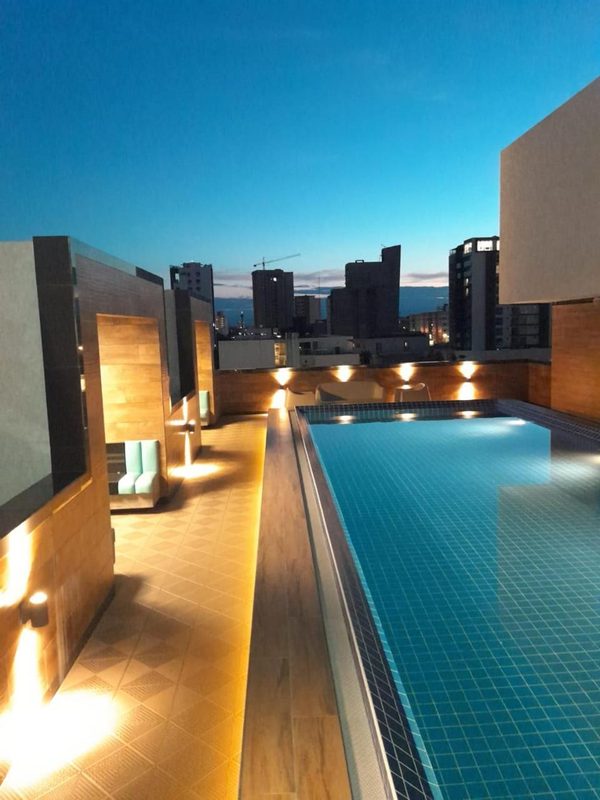
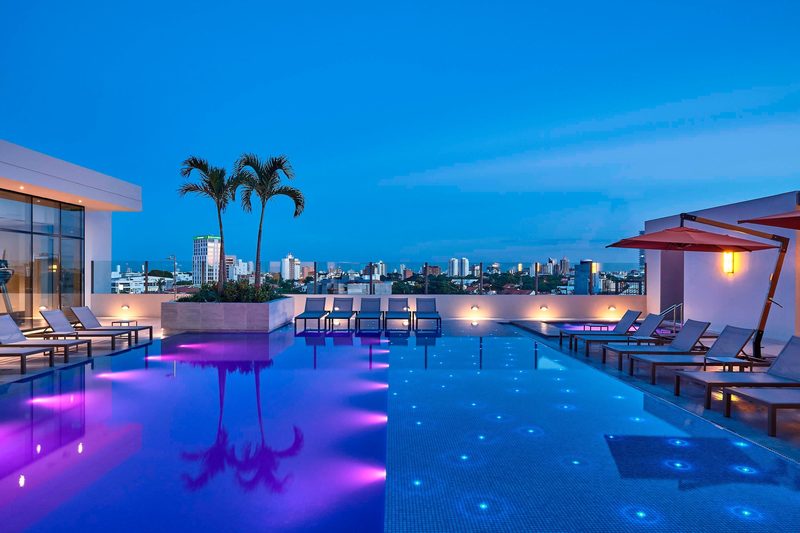
Hand-picked hotels across price tiers for September travellers.
September Events & Festivals
What's happening during your visit
Early September
Festival de la Virgen de las Nieves
Copacabana's patron-saint fiesta turns the lakefront into a three-day bash where brass bands blast through cobblestones at 3 AM and Aymara dancers in 200-year-old garb spin on cathedral steps. Grilled trout and chicha beer drift the air above 15,000 pilgrims who've walked from every corner of Bolivia.
Packing Checklist
Bookmark this page — your progress is saved between visits
Need the full list with shopping links?
Climate-specific gear, brand recommendations, and what to leave at home.
View Bolivia Packing List →Essential Tips
Insider knowledge and common pitfalls to avoid
Insider Knowledge
Ride the cable car from El Alto to La Paz after 8 PM. Locals pack it during rush hour. But night rides give you the entire city glittering like a circuit board at 3,640 m (11,942 ft).
September brings fresh quinoa harvest to markets. Skip Sagárnaga Street's tourist stalls and buy directly from women in traditional dress at La Paz's Rodriguez market.
Uyuni tour operators push sunrise tours, but 7 AM light hits harsh and flat. Local photographers swear by the 5 PM golden hour for those money shots.
Tarija's real wine scene happens at roadside stalls, not fancy bodegas. Families sell chicha from plastic jugs, fermented in clay pots their grandmothers used generations ago.
Avoid These Mistakes
Don't cram everything into one week. Bolivia stretches bigger than you imagine, and altitude changes between regions will drain you faster than the distances suggest.
Skip booking Uyuni tours from La Paz. The 12-hour bus ride plus 3-day salt flat tour plus 12-hour return creates altitude sickness hell at 3,656 m (11,995 ft).
Leave the shorts in Santa Cruz. Locals stay covered even in 86°F (30°C) heat, and bare legs scream tourist while Amazon basin mosquitoes feast on exposed skin.
Ready to plan your trip to Bolivia?
Now that you've got the research covered, here's where to go next.
Book Experiences in Bolivia
Top-rated things to do in Bolivia this September


Explore More Activities in Bolivia
Didn't see anything interesting yet?
Browse Viator's full catalog of tours, day trips, food experiences, and private guides in Bolivia.
See All Bolivia Tours on Viator