Bolivia - Things to Do in Bolivia in June

Things to Do in Bolivia in June

June weather, activities, events & insider tips

Good time to visit Low Season · Budget Friendly

June Weather in Bolivia

Temperature, rainfall and humidity at a glance

64°F (17°C) High Temp
37°F (3°C) Low Temp
0.3 inches (8 mm) Rainfall
70% Humidity
⚠ Altitude UV burns fast. Skin reddens in under 15 minutes. Slather sunscreen. Reapply often. Hat and glasses mandatory. ⚠ Night above 3,000 m (9,800 ft) freezes water bottles. Under-dressed trekkers risk hypothermia. Wear layers. Down jacket saves lives.

Is June Right for You?

Weigh the advantages and considerations before booking

Advantages
  • + June is Bolivia's shoulder season - you'll have the salt flats to yourself with 60% fewer tour groups than July/August, meaning those mirror photos at Uyuni look like mirrors instead of a bus parking lot
  • + The Amazon basin dries out enough that river levels drop, exposing hidden oxbow lakes and making piranha fishing from wooden canoes possible instead of theoretical
  • + The air in La Paz becomes crisp and clear - you can see Illimani's 6,438 m (21,122 ft) peak from the Witches Market 30 km (18.6 miles) away, something impossible during the dusty winter months
  • + Festival season kicks off with regional celebrations in Potosí and Sucre where locals, not tour companies, are running the show - the kind of authentic chaos that hasn't been Instagrammed to death
Considerations
  • The dry season starts in June but hasn't fully committed - expect sudden hail storms in the altiplano that can strand you between villages for hours, around Tupiza
  • Lake Titicaca sits at 3,812 m (12,507 ft) altitude, and June nights still drop to 5°C (41°F) - sitting on reed boats feels more like penance than adventure after sunset
  • Road conditions between Uyuni and Chile remain sketchy until late June. The salt crust hasn't fully hardened, meaning your 4x4 might break through and strand you in brine that eats metal

Best Activities in June

Top things to do during your visit

June in Bolivia brings a profound shift. The high-altitude air turns crisp and dry. Daytime temperatures are mild, good for comfortable exploration. Rainfall is nearly absent. Nights on the Altiplano, however, dip below freezing. The nation's cultural energy concentrates into spectacular public displays. In early June, La Paz's Fiesta del Gran Poder transforms the city's canyon streets. Thousands of drums thunder. The air fills with the smoky aroma of grilling meats and a river of embroidered costumes. By mid-month, the focus moves to Lake Titicaca. The Virgen del Carmen is carried across water turned pink with rose petals. Lakeside bands provide a distant brass accompaniment. It is a ceremony that feels both intimate and monumental under the expansive Andean sky.

3-Days Tour to the Uyuni Salt Flat and Colored Lagoons +Sunset+Mirror Effect

3-Days Tour to the Uyuni Salt Flat and Colored Lagoons +Sunset+Mirror Effect

guided_experience
4.8 779 reviews from $290

A three-day expedition across the Altiplano reveals surreal extremes. You will see the boundless white plain of Salar de Uyuni. You will visit rust-red and emerald-green mineral lagoons. Flamingos stand silhouetted against distant volcanoes. Evenings bring a profound silence. Sunsets set the salt crust ablaze in orange and violet. A pre-dawn departure to witness the mirror effect on the salt flat turns the world into an infinite sky.

This is a multi-day journey requiring a full three days. This experience is a moderate expense. The most dramatic light occurs at sunrise and sunset.
You traverse what feels like another planet. You sleep in a salt hotel under a thick blanket of stars.
Insider tip: An insider would advise bringing multiple layers. The June nights on the salt flat are intensely cold. The daytime sun at this altitude is deceptively strong.
This month: In June, the dry conditions mean the salt flat's surface is hard and traversable. The mirror effect, created by a thin layer of water, is less common. It can still occur in specific managed areas.
Uyuni Salt flat 2 day+sunset at Salt Water Region + Mirror effect

Uyuni Salt flat 2 day+sunset at Salt Water Region + Mirror effect

other
4.8 232 reviews from $240

This two-day itinerary expands the horizon beyond the salt flat itself. It ventures into the surrounding desert. You will encounter the stark beauty of the colored lagoons and the strange, rocky formations of the Siloli Desert. You will see Laguna Colorada. This vast shallow lake is stained blood-red by sediments and dotted with flocks of James's flamingos. You will spend a night in a basic lodge. The thin, cold air is scented with burning ichu grass.

This is a two-day, one-night excursion. This experience is a moderate expense. The long drives are best undertaken in daylight.
The reason to go is deeper immersion into the Eduardo Avaroa Reserve. The wildlife and mineral palette of the landscape become the focus. This comes after the initial shock of the salt flat's emptiness.
Insider tip: An insider would suggest verifying the itinerary. The second day often involves crossing into Chile. Have necessary documents ready if you plan to continue south.
Traditional Bolivian Cooking Class w/ Cocktail Making by La Boca del Sapo, Sucre

Traditional Bolivian Cooking Class w/ Cocktail Making by La Boca del Sapo, Sucre

food
5.0 117 reviews from $45

Held in a warm kitchen in Sucre, this class begins in a local market. You will select ingredients there. Feel the texture of dried chuño potatoes. Smell the distinct aroma of Bolivian ají peppers. Back in the kitchen, you will learn to prepare salteñas. Their savory-sweet fillings are a challenge to seal properly. You will grill anticuchos over charcoal. You will finish by creating a singani cocktail. The national brandy's floral notes cut through the rich, smoky food.

This activity takes half a day, typically three to four hours. This experience is budget-friendly. Late morning classes allow for a market visit when it is most lively.
The reason to go is to understand the comforting, complex heart of Bolivian cuisine through your own hands. Cooks explain the history behind each dish.
Insider tip: An insider would note that classes fill quickly in June. Sucre sees more visitors enjoying the dry weather. Booking several days in advance is wise.
Uyuni Salt Flat 1 Day Tour +Sunset in the Salt Water Region with Mirror Effect

Uyuni Salt Flat 1 Day Tour +Sunset in the Salt Water Region with Mirror Effect

guided_experience
4.8 474 reviews from $80

This condensed journey delivers the essence of the Uyuni salt flat in a single, long day. It culminates in a sunset viewed from the salt water region. The sky's colors bleed across a shallow, reflective surface. You will drive across the cracked hexagonal patterns of the salt crust. You will feel the crunch underfoot. You will visit Isla Incahuasi with its giant, ancient cacti reaching for a cobalt sky.

This is a full-day tour, often lasting ten to twelve hours. This experience is budget-friendly. The best time is the late afternoon leading into sunset.
The reason to go is to witness one of the world's most alien landscapes without a multi-day tour. It is good for tighter schedules.
Insider tip: An insider would recommend booking the latest departure time possible. This maximizes the chance of experiencing the sunset mirror effect. The angle of the June sun creates a prolonged golden hour.
1 Day Trek in the Crater of Maragua and Inca Trails in Sucre

1 Day Trek in the Crater of Maragua and Inca Trails in Sucre

adventure
4.8 20 reviews from $96

This trek departs from Sucre into the surreal Maragua Crater. This giant, eroded bowl in the earth has strata of rock curving in rainbow bands of ochre and slate blue. You will walk ancient Inca trails paved with smooth stones. You will pass through villages where the only sounds are sheep bells and the wind. You will feel the dry June sun on your skin as you descend into the crater's heart.

This is a full-day trek, usually six to seven hours of walking. This experience is budget-friendly. Starting early avoids the strongest midday sun.
The reason to go is to walk through living history and geology simultaneously. You are on paths used for centuries, far from any road.
Insider tip: An insider would stress the importance of sturdy, broken-in hiking shoes. The trails are rocky and uneven. Carry more water than you think you need. The June air is very dry.
2-Day Private Tour Uyuni Salt Flats including Tunupa Volcano

2-Day Private Tour Uyuni Salt Flats including Tunupa Volcano

private_tour
4.7 14 reviews from $790

A private tour of the Uyuni salt flat offers the luxury of silence and tailored pacing. You can linger as long as you wish on the vast white plain. You can climb the slopes of Tunupa Volcano for a panoramic view few visitors see. Your vehicle kicks up fine salt dust. It tastes metallic on the wind as you approach the volcano's base. The hike begins through rocky scree. It offers vistas over the entire salar. This perspective reveals its true scale.

This is a two-day private tour. This experience is expensive. Sunrise on the salt flat is an outstanding moment of stillness.
The reason to go is exclusive, flexible access. You see both the well-known flat and the dramatic, solitary volcano that guards its edge. A guide is dedicated to your interests.
Insider tip: An insider would recommend using the private vehicle to access more remote corners for photography. The soft morning light is best. Long June shadows create striking patterns.

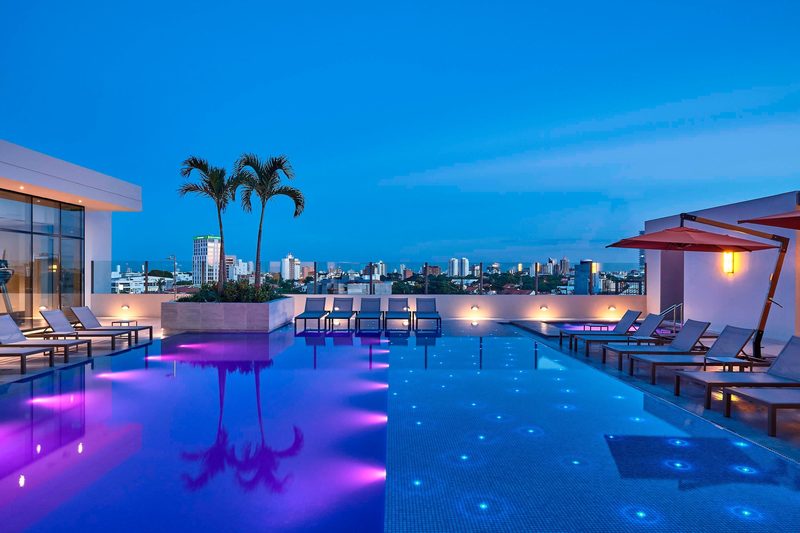
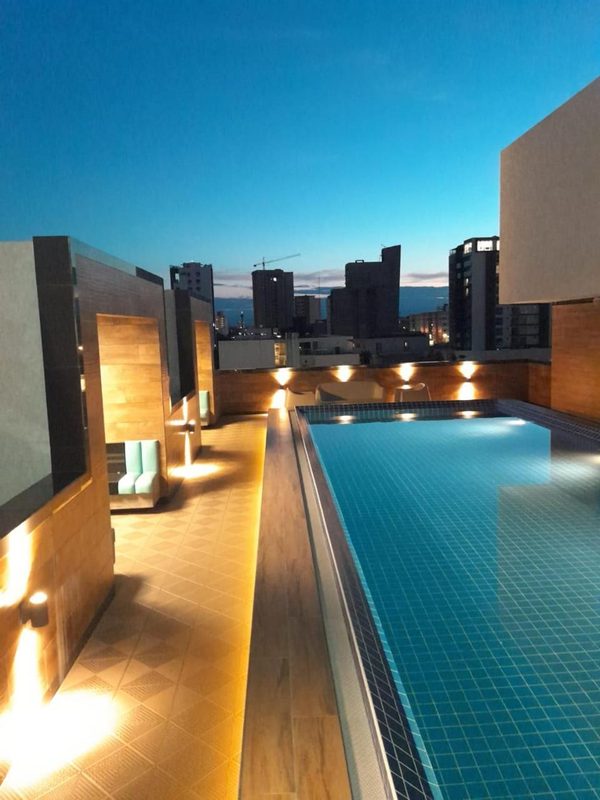
Where to Stay in Bolivia in June

Hand-picked hotels across price tiers for June travellers.
June Events & Festivals

What's happening during your visit

Early June
Fiesta del Gran Poder

La Paz's biggest street party happens early June - 50,000 dancers in elaborate costumes parade through the city center while chicha (fermented corn beer) flows from every doorway. The sound of 2,000 drums echoes off colonial buildings, and the smell of llama anticuchos (grilled skewers) fills streets that normally reek of diesel. It's the one time when cholitas in bowler hats dance with punks in leather jackets.

Mid June
Virgen del Carmen Festival

In Copacabana, the virgin gets paraded across Lake Titicaca on flower-covered boats while brass bands play from the shore. Locals throw rose petals until the water turns pink, and you can taste the special festival bread that's only baked during these three days. The fireworks reflect off the lake at 3,812 m (12,507 ft) altitude and sound like thunder.

Packing Checklist

Bookmark this page — your progress is saved between visits

Need the full list with shopping links?

Climate-specific gear, brand recommendations, and what to leave at home.

View Bolivia Packing List →

Essential Tips

Insider knowledge and common pitfalls to avoid

Insider Knowledge
The real Bolivian food isn't in restaurants - it's in market stalls where women serve salteñas (juicy meat pastries) from metal boxes they've carried since 5 AM; the juice runs down your arm and locals will smile when you make the same mess they do Bolivia's cell network works on a strange honor system - buy a Tigo SIM in any market. But the vendor will write your phone number on the package because Bolivians still memorize numbers instead of saving contacts Exchange dollars at the black market rate on Calle Linares in La Paz - the official rate is a joke, and the guys with calculators will give you 20% more bolivianos than banks, just count your money twice before walking away June is when locals switch from api (hot corn drink) to mocochinchi (cold peach cider) - the vendors who've been serving hot drinks all winter suddenly have glass jars of fermented peaches floating in cinnamon water, and it tastes like Christmas in summer
Avoid These Mistakes
Trying to see everything in one week - Bolivia's distances are insane (La Paz to Uyuni is 12 hours by bus), and June's weather can shut down roads for days. Pick two regions max. Underestimating the altitude - arriving in La Paz and heading straight to the salt flats will make you sick. Spend two days in the city first, drink coca tea until locals stop offering it, and don't plan anything strenuous your first 48 hours. Skipping travel insurance - June is when roads wash out and domestic flights get cancelled due to weather. The 4x4 from Uyuni to Chile can get stuck for 6-8 hours in salt sludge, and there's no cell service to call for help.
Explore More Activities in Bolivia

Didn't see anything interesting yet?

Browse Viator's full catalog of tours, day trips, food experiences, and private guides in Bolivia.

See All Bolivia Tours on Viator

Frequently Asked Questions

What Is Bolivia Like in June?

June is one of the best months to visit Bolivia. It's peak dry season across most of the country, meaning clear skies over the Uyuni Salt Flats (good for mirror-effect photos if you visit just after the May rains end), excellent trekking conditions in the Cordillera Real, and comfortable daytime temperatures in La Paz (10-15°C) and Sucre (15-20°C). Just pack warm layers, nights drop below freezing in the highlands, and many budget hotels lack heating.

When Is the Best Time to Visit the Bolivia Salt Flats?

The Uyuni Salt Flats are impressive year-round, but your ideal time depends on what you want to see. March through early May offers the famous mirror effect when a thin layer of water reflects the sky, though tours may be limited if flooding is heavy. June through October brings bone-dry conditions, easier driving, and the well-known hexagonal salt patterns, plus you can visit Isla Incahuasi (Fish Island). Most tour operators run 3-day trips from Uyuni town starting around $150 USD.

What's Bolivia Like in March?

March sits at the tail end of Bolivia's rainy season, so expect afternoon showers in the highlands and heavy downpours in the Amazon lowlands (Rurrenabaque). The Uyuni Salt Flats often still have water coverage in early March, making it one of the last chances for mirror-effect photos before the dry season begins. Trails in the Cordillera Real can be muddy, and some mountain lodges close until April, but you'll find fewer crowds and lower hotel rates than in the dry months.

When Is the Best Time to Visit Paraguay?

May through September offers the most comfortable weather in Paraguay, with warm days (20-25°C) and low humidity, a welcome relief from the sweltering summer heat. The Chaco stays hot year-round, but it's more bearable during these months. If you're planning to visit the Jesuit Missions or Iguazu Falls (shared with Brazil/Argentina), aim for June through August when skies are clearest, though July can bring occasional cold fronts from the south.

When Is the Best Time to Visit Peru?

May through September is peak season for Peru, if you're trekking the Inca Trail or visiting Machu Picchu, dry weather and clear mountain views, though you'll share the ruins with larger crowds. The Amazon basin (Iquitos, Puerto Maldonado) flips the script: June through November brings lower river levels and easier wildlife spotting, while December through May sees high water that's better for boat exploration. Shoulder months like April or October balance decent weather with fewer tourists and slightly lower prices.

What's the Average Temperature in Bolivia?

Bolivia's temperature depends entirely on altitude, La Paz (3,650 m) averages 8-12°C year-round with cold nights, while lowland cities like Santa Cruz sit around 25-30°C. The Uyuni Salt Flats can swing from 15°C at midday to -10°C after dark in winter (June-August). Sucre and Potosí, both above 2,800 m, stay mild during the day (15-20°C) but drop sharply once the sun sets, so pack a warm jacket even in summer.

Is June a Good Time for Trekking in Bolivia?

June is excellent for trekking in the Cordillera Real and around La Paz, trails are dry, skies are mostly clear, and you'll get sharp views of peaks like Huayna Potosí and Illimani. Popular routes like the Takesi or Choro Trail are in top condition, though you'll need to acclimate to the altitude first (most trailheads start above 4,000 m). Nights are cold, so bring a sleeping bag rated to -10°C if you're camping, and book guides in advance since this is peak trekking season.

What Festivals Happen in Bolivia in June?

June brings the Fiesta de San Juan on June 24, celebrated nationwide with bonfires and traditional foods, though the biggest festivities happen in rural highland communities. In La Paz, you might catch early preparations for the Gran Poder festival (usually late May or early June), one of South America's largest folkloric celebrations with costumed dancers and brass bands. Oruro stays quiet in June, its famous Carnaval happens in February. But smaller towns host local patron saint festivals that are worth asking about if you're passing through.