
Things to Do in Bolivia in December
December weather, activities, events & insider tips
Low Season · Budget Friendly
December Weather in Bolivia
Temperature, rainfall and humidity at a glance
68°F (20°C)
High Temp
45°F (7°C)
Low Temp
3.2 inches (81 mm)
Rainfall
70%
Humidity
⚠ Altiplano UV levels reach dangerous levels when clouds clear - sunglasses essential even on overcast days
Is December Right for You?
Weigh the advantages and considerations before booking
Advantages
- + December is Bolivia's spring shoulder season. Hotel rates drop 30-40% below peak July/August prices. Dry-season reliability still holds in the highlands. Book now.
- + The Salar de Uyuni salt flats become a giant mirror. December's first rains create this 2-3 week window. Thin water layers deliver perfect reflections. Photographers fly in for this.
- + La Paz's cholita wrestling moves outdoors in December. Temperatures hit the sweet spot for elaborate skirts. Too-cold and too-hot extremes disappear. The show gets better.
- + Coffee harvest season floods Yungas with aroma. Working fincas let you pick alongside farmers. Fresh beans dry in sun. Flowering orchids compete for attention. Tourists miss this other months.
Considerations
- − Amazon mosquitoes peak in December. Rurrenabaque swarms hit annual highs. Pack serious repellent. Wear long sleeves through 32°C (90°F) midday heat. They bite anyway.
- − Altiplano weather snaps after December 15th. Morning clear skies rot into afternoon hailstorms. Elevation 3,600m (11,800ft) magnifies every shift. Carry layers. Always.
- − Christmas week pricing starts December 20th. Domestic flights to Santa Cruz triple overnight. Previous week bargains vanish. Book early or pay.
Best Activities in December
Top things to do during your visit
Salar de Uyuni Mirror Photography Tours
December's thin water layer turns the world's largest salt flat into glass. Shoot frost crystals at 7°C (45°F) dawn. Watch mirror effects bloom as rainwater warms to 20°C (68°F) midday. 4WD routes from Uyuni town to Isla Incahuasi stay open until January downpours.
Booking Tip: Book 7-10 days ahead through licensed operators. The mirror window is short. Guides know optimal water depth. Check current tours below.
La Paz Cholita Wrestling Experiences
December shifts matches to El Alto's outdoor Multifunctional Center. Temperatures settle at perfect 18°C (64°F). Pollera-clad wrestlers slam into traditional moves. Aymara grandmothers sell api and charquekan from blankets. High-altitude air plus athleticism equals spectacle found nowhere else.
Booking Tip: Sunday afternoon matches pack the house. Arrive by 3pm for plastic-bottle seats. Operators list wrestling tours in the widget.
Yungas Coffee Farm Tours
December delivers peak harvest outside Coroico at 1,200m (3,900ft). Pick ripe cherries with Quechua families. Pulping machines separate beans before your eyes. Taste coffee that never exports. Descend two hours from La Paz's 7°C (45°F) cold into 24°C (75°F) coffee-scented warmth.
Booking Tip: Farm visits demand 4WD access. Book operators who bundle transport from La Paz. Harvest runs through January. December shows the most action.
Tiwanaku Archaeological Site Visits
December's ten rainy days help Tiwanaku at 3,885m (12,750ft). Morning moisture darkens sandstone carvings. Photos capture details invisible in dry months. Thunderstorms roll 2-4pm. Golden hour clears for sunset across Kalasasaya temple platform.
Booking Tip: Hire guides at the entrance. Local Aymara grew up among these stones. Their stories beat any book. Mornings dodge crowds and storms.
Santa Cruz Street Food Night Tours
Santa Cruz evenings settle at 24°C (75°F) in December. Mercado Mutualista fires up after 8pm. Locals queue for sopa de mani and sonso. Tropical humidity demands cold beer. Palm-strung Christmas lights look nothing like altiplano photos.
Booking Tip: Night tours run 7-10pm when humidity dips slightly. Pick operators linking multiple markets. Santa Cruz food sprawls across barrios.
Explore More Activities in Bolivia
Didn't see anything interesting yet?
Browse Viator's full catalog of tours, day trips, food experiences, and private guides in Bolivia.
See All Bolivia Tours on ViatorWhere to Stay in Bolivia in December
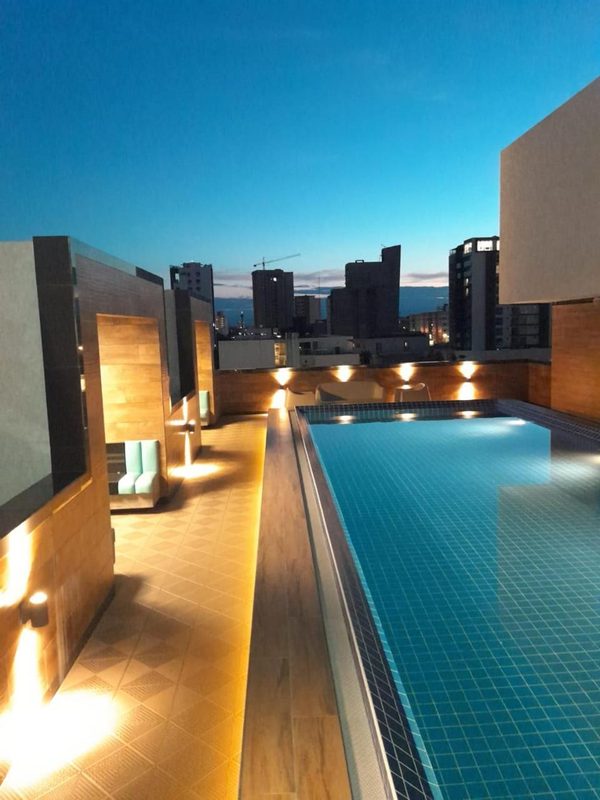
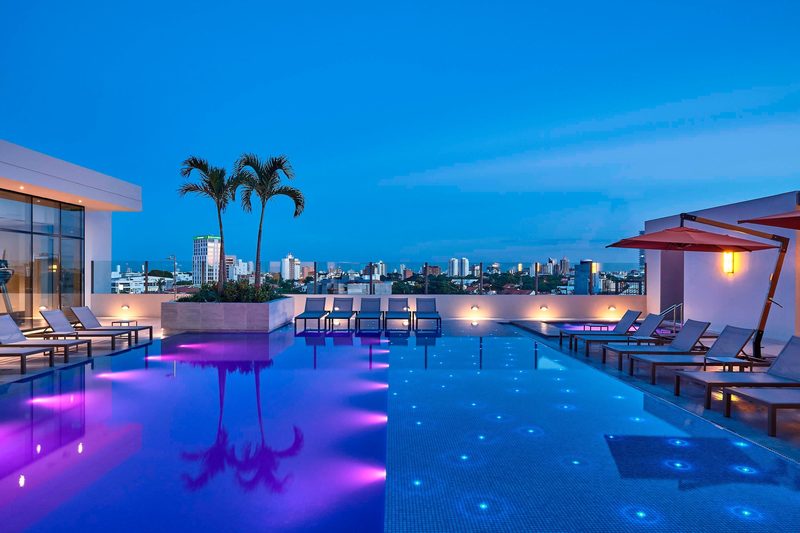
Hand-picked hotels across price tiers for December travellers.
Public Holidays in December
Dates that affect opening hours, transport and crowds
Navidad
Known in English as Christmas Day. Observed nationwide as a public holiday.
Navidad
Known in English as Christmas Day. Observed nationwide as a public holiday.
Navidad
Known in English as Christmas Day. Observed nationwide as a public holiday.
Packing Checklist
Bookmark this page — your progress is saved between visits
Need the full list with shopping links?
Climate-specific gear, brand recommendations, and what to leave at home.
View Bolivia Packing List →Essential Tips
Insider knowledge and common pitfalls to avoid
Insider Knowledge
Local buses from Uyuni halt after December's first heavy rain. Book 4WD tours. Saving money on public transport strands you.
Tip cholita wrestlers in bolivianos. They convert dollars at terrible rates post-match.
Ask Coroico coffee farms for 'cafe oro'. Green beans cost 1/10 roasted price. Bring your own roasting pan.
December's variable weather means hotel heating becomes important - ask specifically for 'calefaccion' when booking, many places lack it despite cold nights
Street food vendors in Santa Cruz water down their hot sauce during December - request 'llajua picante' to get the real spicy version locals eat
Avoid These Mistakes
Assuming December means summer weather everywhere - you'll freeze at 7°C (45°F) in La Paz while sweating through 32°C (90°F) humidity in Rurrenabaque the same week
Booking salt flat tours from San Pedro de Atacama instead of Uyuni - December rains often close the Chile-Bolivia border crossing, leaving you stranded
Wearing hiking boots on Tiwanaku's wet sandstone - the 600-year-old surfaces become ice-skating rinks with December moisture, locals wear rubber soles
Ready to plan your trip to Bolivia?
Now that you've got the research covered, here's where to go next.
Book Experiences in Bolivia
Top-rated things to do in Bolivia this December


